

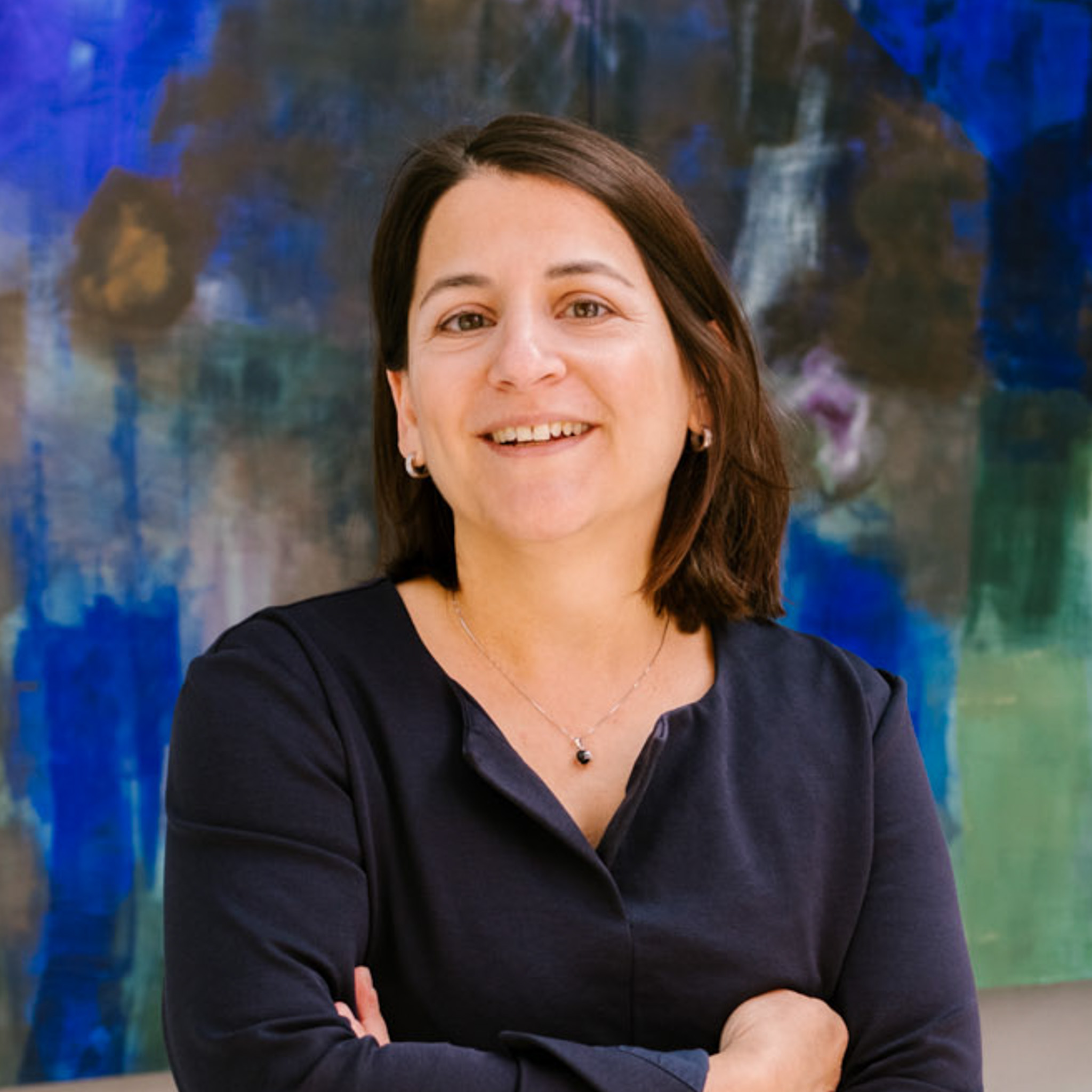
Dr. Thomas Veen shares insights on the vital expertise offered by publicly appointed and sworn experts in the German legal system, especially for IHK-related cases.
Dr. Veen, in which cases do you particularly often rely on experts at the Regional Court?
For tenancy cases, our chamber frequently engages construction experts. These experts examine defects to determine, for instance, whether mold has structural origins or is caused by habitation conditions, or if improper installation of a water-bearing pipe led to water ingress. Construction experts cover this entire spectrum.
In insolvency cases, the focus shifts to economic law issues. Assessments are made retrospectively on how a bankrupt company managed its affairs and the economic conditions at specific periods. Such knowledge is imperative to evaluate any errant behavior that may have occurred.
Beyond these roles, as President, I also serve as the court leader. Hence, experts from diverse fields approach me, seeking introductions to my judicial colleagues. The range spans from traffic experts and medical professionals to evaluators assessing the value of specialist services. In commercial matters, the emphasis is not on economic legalities but rather factual economic questions.
Is there a memorable case involving substantial amounts where an expert was indispensable?
In one inheritance scenario, I mediated a dispute that couldn't be resolved without an expert. Two brothers contended succession rights for a company left behind by their father. One concern revolved around valuing specific company divisions at the time of inheritance. One brother managed a less profitable division, while the other oversaw a more lucrative one. The matter involved compensation payments amounting to millions.
The expert's role was paramount in determining the value disparity between the two divisions. Without accurate facts, reaching an agreement is futile. In this instance, the expert provided critical clarity that facilitated resolution.
What other responsibilities do experts have aside from evaluating evidence?
Evidence evaluation is indeed a fundamental responsibility, as courts possess legal expertise but often need technical insights—such as for tenancy matters. Moreover, under Section 144 of the Code of Civil Procedure, experts can serve as court advisors. They may be engaged early in proceedings to aid the court's understanding of complex issues.
This role, emphasized with the 2019 Code of Civil Procedure amendment, positively impacts procedural flow. Early expert involvement allows courts to better grasp the case material while ensuring well-framed and precise evidence questions. Such early input enhances process quality and procedural efficiency significantly.
Why are publicly appointed and sworn experts so vital for judiciary practices?
Publicly appointed and sworn experts have a higher likelihood of selection for legal proceedings due to their presumed competence. If unfamiliar with an expert's background, their public appointment assures their expertise, making them trustworthy candidates. Maintaining an ample pool of such experts ensures judiciary processes' quality.
What's an unconventional case involving an expert that stands out to you?
One instance involved a dog sold as a hunting companion. It later displayed submissive behavior toward other animals—rolling over instead of exhibiting aggression. The buyer sought to void the purchase, claiming the dog lacked intrinsic genetic hunting instincts due to a defect.
The expert's task was to determine whether the dog had a genetic defect undermining its hunting capabilities. The stakes were high, involving not just the sale price but also daily care compensation claims. Additionally, expert costs escalated as the professional observed the dog closely on their property and traveled from southern Germany to Osnabrück for testimony.
Ultimately, the expert's brief observation revealed that the dog's submissiveness diminished with proper training, proving it wasn't genetically impaired. While this result disappointed the buyer—who lost the case with incurred expenses—they now possessed a skilled hunting dog! This scenario illustrates how expert participation in proceedings could be streamlined economically today, perhaps through video testimonies. The judiciary has also explored such virtual integrations effectively during the COVID-19 pandemic.
- Key areas:
-
- Sachverständigenwesen
Released 28.02.2024
Modified 09.06.2026
Contact
Daphne Grathwohl
Director Member and Internal Communications | Spokesperson