

The DIHK – The German Chamber of Commerce and Industry – represents the interests of more than three million companies in Germany. As the umbrella organization of the 79 Chambers of Commerce and Industry (IHKs) and together with the worldwide network of German Chambers of Commerce Abroad (AHKs), it effectively integrates economic concerns into political decision-making processes. Companies from all industries – from start-ups and medium-sized businesses to globally active corporations – benefit from this pooled expertise and the deep practical experience of the IHK system.
Imagefilm of the DIHK
For more than 160 years, the DIHK has been building bridges between business, politics and society. A portrait.
Promoting Economy – Strengthening Location
Germany's economic strength is based on entrepreneurial courage, innovative power, and responsibility. The IHKs support businesses with advice, qualification, and practice-oriented services. The DIHK pools these experiences and advocates for conditions that enable growth, investments, and competitiveness – from reliable economic policies, affordable energy to modern infrastructure and open markets.
With robust analyses, studies, and positions, the DIHK introduces economic perspectives into political discussions in a fact-based and solution-oriented manner – always with a focus on the competitiveness of the economic location.
A Unique Network: IHKs, DIHK, and German Chambers of Commerce Abroad
The IHK system is one of the largest economic networks in Europe. It connects:
- 79 IHKs as local partners,
- the DIHK as the voice in Berlin and Brussels,
- and 150 German Chambers of Commerce Abroad (AHKs), delegate offices, and representations in over 90 countries.
This structure enables seamless representation of interests across all levels – from regional location issues to international trade policies. Experiences from regions and foreign markets directly feed into DIHK's economic policy work.
Political Representation with a Clear Mandate
The DIHK focuses exclusively on issues that directly affect the economy. Its positions are developed through a systematic participation process that broadly involves companies and chambers. This ensures practical relevance and democratic legitimacy. The foundation for this clear mandate is the Statutes of the DIHK (PDF, 419 KB), which clearly regulate tasks, responsibilities, and procedures.
Key areas include:
Foreign trade, energy and climate policy, securing skilled labor, education, digitization, infrastructure, as well as location and regulation policies.
This breadth makes the DIHK a reliable partner for politics and administration – independent, fact-based, and solution-oriented.
Participate, Shape: Economy Democratically Organized
A special feature of the IHK system is the active involvement of companies. They directly shape DIHK's work through various committees:
- the general assembly with vote parity (“One-Chamber – One-Vote”),
- 17 specialized committees with around 1,200 corporate representatives,
- over 160 working groups and networks addressing trends, challenges, and opportunities.
This depth of participation ensures that positions reflect the diversity of the German economy – from small businesses to global market leaders.
I expect the DIHK to represent businesses with a strong voice and to find effective solutions.
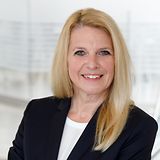
Dr. Heike Wenzel
-- President of the Chamber of Commerce and Industry Aschaffenburg

Transparency, Integrity, and Responsibility
The DIHK operates as a public-law corporation transparently and comprehensibly. Open meetings, published minutes, and clear decision-making paths characterize its structures. The Council for Integrity and Arbitration offers companies and chambers a neutral point of contact for complaints. Additionally, the Freedom of Information Act provides further insight.
The DIHK is committed to the principles of honorable merchants, sustainable economic practices, strong compliance, and social responsibility. Economic success and sustainability are consistently thought of together.
Our Mission. Our Structure. Our Responsibility.


Impulses for Tomorrow's Economic Policy
The close connection to business practice enables DIHK to recognize developments at an early stage – from technological trends to geopolitical changes, as well as skilled labor and energy issues. This knowledge flows directly into political debates and supports companies in navigating times of change.
With its broad network, high level of expertise, and a strong voice in Berlin and Brussels, the DIHK actively shapes the economic policy of tomorrow.
It has been translated with the assistance of AI.
No guarantee is made as to the accuracy or completeness of the translation.