

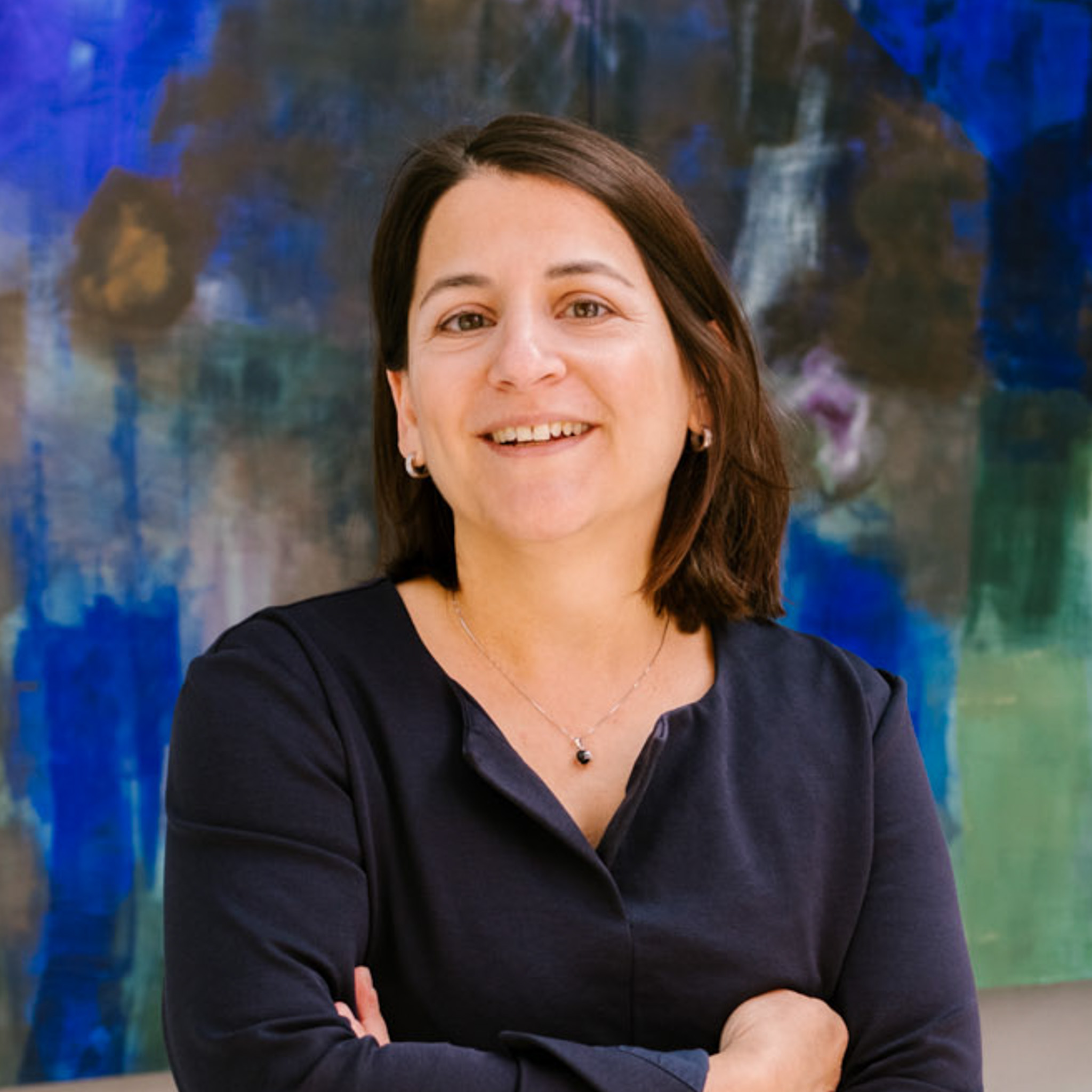
Mr Schauf, why did you decide to become an expert?
I worked for a long time as a structural engineer and had only peripheral involvement with building damage. Occasionally, I was asked to inspect damage or my own work was reviewed. That’s when I realised how important it is to look at a project or structure from different perspectives, gather as much information as possible, draw conclusions only then, and finally solve a problem constructively and sometimes scientifically. Sometimes it’s a matter of life and death, sometimes it’s just "tiles falling off." But you always need a factual, impartial view of things. That intrigued me.
What qualifications are necessary to become an expert?
The exact prerequisites for appointment vary from field to field. In mine, alongside the technical qualifications which are essentially learned during studies, one must also have basic legal knowledge, which can be acquired through seminars. Regular further training is generally advisable, and for broadening one’s horizons beyond the field of expertise. For example, I deal intensively with structural engineering, moisture damage, cracks, and criticised quality of work. With the approximately 500 flood damage cases we assessed in the last three years, the experience gained from these was very helpful.
Under what premise do you approach the assessment of a house in the Ahr Valley, for example?
The premise is the protection of residents and third parties. Furthermore, it requires a fact-based approach with objectivity, foresight, and above all, a sense of proportion. The level of satisfaction between different parties is often very narrow, for example between a client and the executing craftsman.
There is a lack of young experts among publicly appointed and sworn experts. What consequences could this have from your perspective?
When I appoint an expert, I expect – as does the opposing side – an impartial, expert, fact-based assessment. And it must also be understandable for laypeople: As much technical information as necessary, as little incomprehensible technical jargon as possible. If there are fewer and fewer competent experts, assessments will increasingly deteriorate in quality, potentially becoming more one-sided and not limited to the core issue. Appropriate, expert solutions – which are often preferred outside of court proceedings to save additional costs – will not be achieved. Even in court, it will be difficult, as the expert ideally works hand in hand with the court. If the quality of expert opinions declines, there will be more vulnerable court decisions. This is detrimental to the administration of justice.
What advice would you give to a young person considering becoming an expert?
I often talk to young people and try to motivate them. My advice: Let the idea mature and take time to gain experience during normal work practice and then decide: "If you think you have the expertise and are also capable of looking at a situation from different perspectives, then you are exactly right in the field of expertise. And furthermore: As an expert, you will always have work!" And to take away the fear of the "examination process," it is best to establish contacts with other experts and exchange ideas.
- Key areas:
-
- Sachverständigenwesen
Released 27.02.2024
Modified 10.02.2026
Contact
Daphne Grathwohl
Director Member and Internal Communications | Spokesperson