

The German Chamber of Commerce and Industry (DIHK) calls for improved processes in various areas to support businesses effectively.
... in labour migration
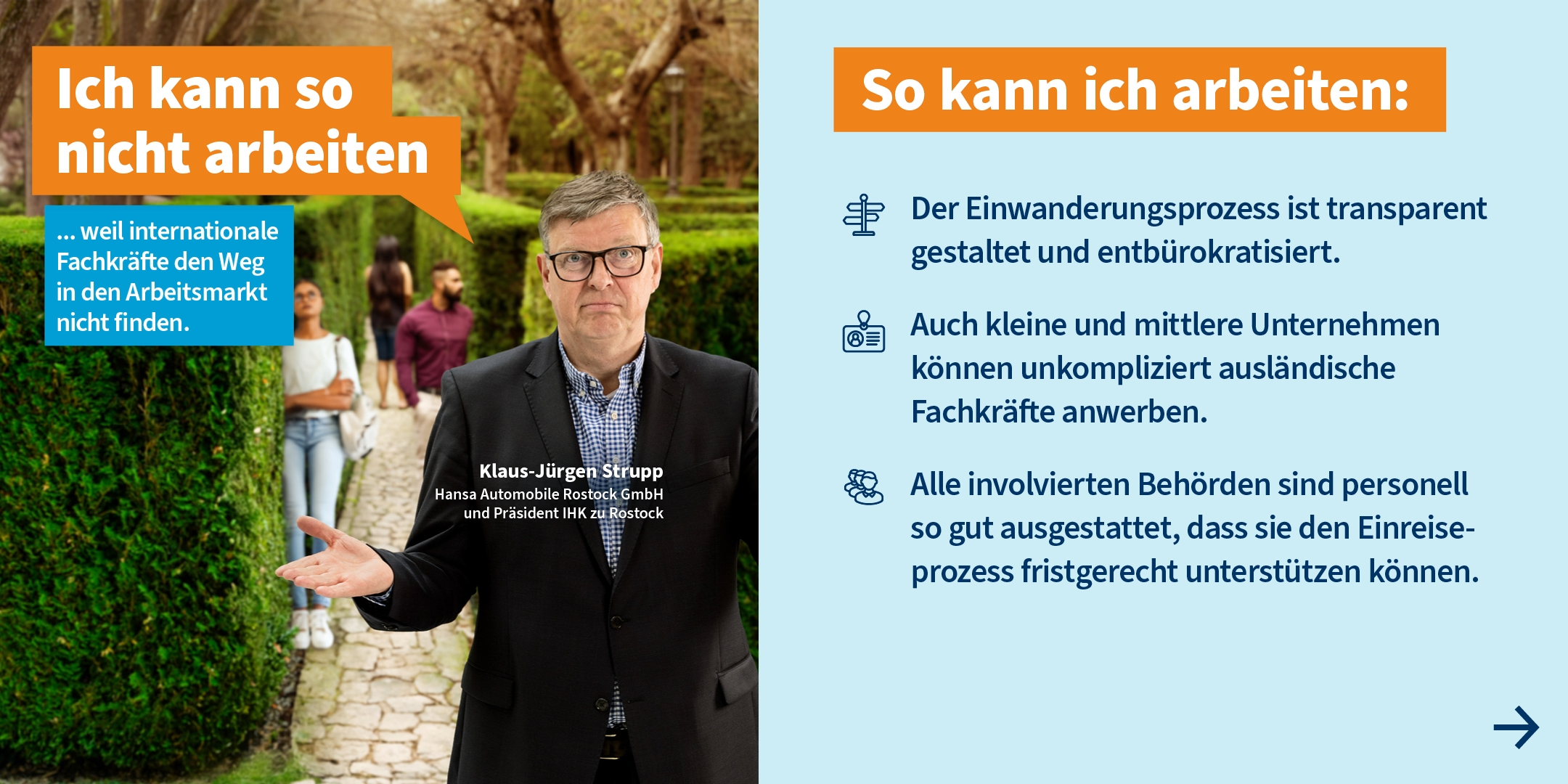
The shortage of skilled workers is one of the biggest challenges for companies in Germany. Reducing this shortfall is elementary for the German economy as a whole. Political objectives such as climate neutrality, digitisation, and financing social security can only be achieved if enough skilled workers are available to contribute.
Despite the improved Skilled Immigration Act, many processes are still cumbersome and inconsistent, with multiple authorities involved leading to extended waiting times. To attract foreign specialists, immigration processes for companies and workers must become more bureaucratically simple and transparent. Small and medium-sized enterprises, in particular, struggle with the multitude of varying regulations and requirements.
What aids here: less bureaucracy, faster processes, and more advice and support for interested companies and potential employees. Authorities must ensure the practical implementation of legal regulations occurs seamlessly. This includes digitalising procedures and ensuring adequate staffing levels. These measures help foreign specialists access the labour market more quickly and efficiently.
... in the immigration process

Hannover-based restaurateur Umut Kuş is tired of the long wait: Applications for the immigration of foreign specialists often take months. He relies on the expedited specialist procedure according to section 81a of the Residence Act! Against a fee of 411 euros, companies—with the assistance of immigration authorities—should reduce the administrative process for the arrival of overseas specialists to approximately four months.
However, this promise often exists only on paper: In reality, the procedures sometimes take much longer. Not only does Kuş lose his appetite due to the waiting; the specialists also often reconsider and withdraw. Pre-existing employment contracts often need to be dissolved.
Administrative improvements are urgently required here. Authorities must adhere to deadlines reliably. To make the immigration process faster, more transparent, and efficient, greater utilisation of digital tools and interfaces is essential. Companies need dedicated and accessible contacts within the involved authorities, who must communicate and cooperate with each other. Overseas specialists should also receive comprehensive information and guidance about working, studying, and training opportunities in Germany, as well as immigration pathways. Stronger support structures are necessary, particularly for small and medium enterprises, to directly assist in securing specialist workers. This ensures that SMEs can remain industrious in the future!
... in customs operations
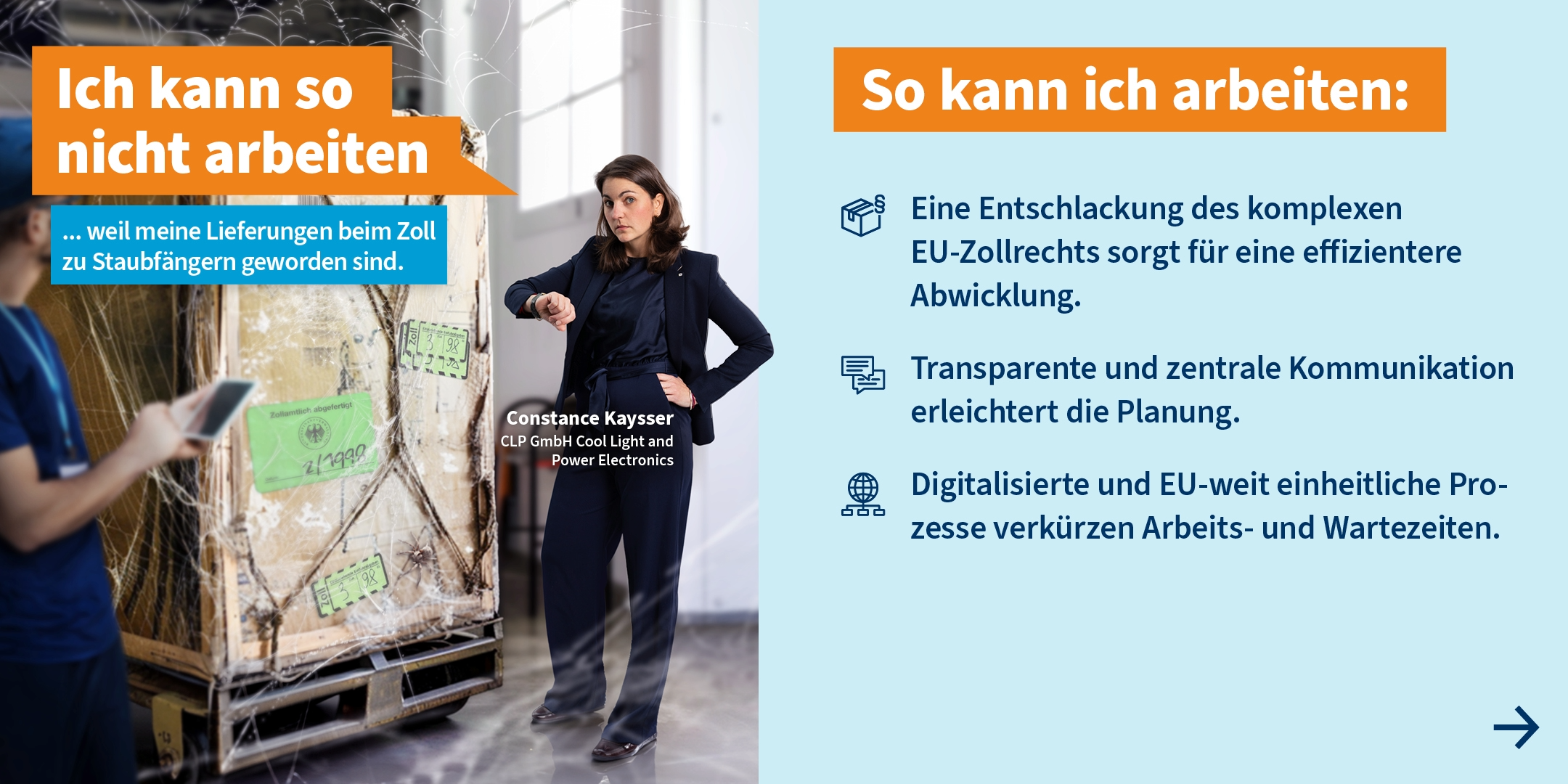
Is it taking longer at customs again? While EU customs legislation becomes increasingly complex, acute staffing shortages have plagued Germany’s customs administration for years. With many customs officers set to retire by 2030, the challenge is exacerbated: One-third of the workforce is set to retire by 2030. This has left Germany’s customs administration strained. Although enough roles exist, there aren’t enough applicants or trainees to fill them.
By 2018, 3,500 roles within customs were vacant. Furthermore, the Police Union reports that the strain extends well beyond these vacant positions, with workload pressure rising to unprecedented levels. The consequences for businesses: extended wait times for imports and exports, limited market reachability, and jeopardized trade relations. Given the limited resource capacities, focusing on priority tasks rather than compliance control of expanding regulations is paramount.
Digitalisation and debureaucratisation of customs operations remain urgent glaring requirements pointed out also by the Federal Audit Office.
...