In the DIHK Newsroom, you’ll find the latest press releases, statements, studies, and background information on the German economy—presented in a concise, well-organized, and always up-to-date...
Berlin Process: The Western Balkans on their path to the EU
On the occasion of the Western Balkans Forum on 24 September 2024 at the Federal Ministry for Economic Affairs and Energy, DIHK and the German Chambers of Commerce Abroad (AHKs) in the region are drawing an initial interim balance for the 10th anniversary of the Berlin Process.
According to DIHK, the Berlin Process, which aims to promote cooperation within the region and with the EU, has significantly advanced the regional integration of the six partners (WB6) - Albania, Bosnia and Herzegovina, Kosovo, Montenegro, North Macedonia, and Serbia - over the past ten years.
The economic growth dynamics underline this development. In 2023, Germany's bilateral trade with the WB6 grew by almost six percent compared to the previous year.
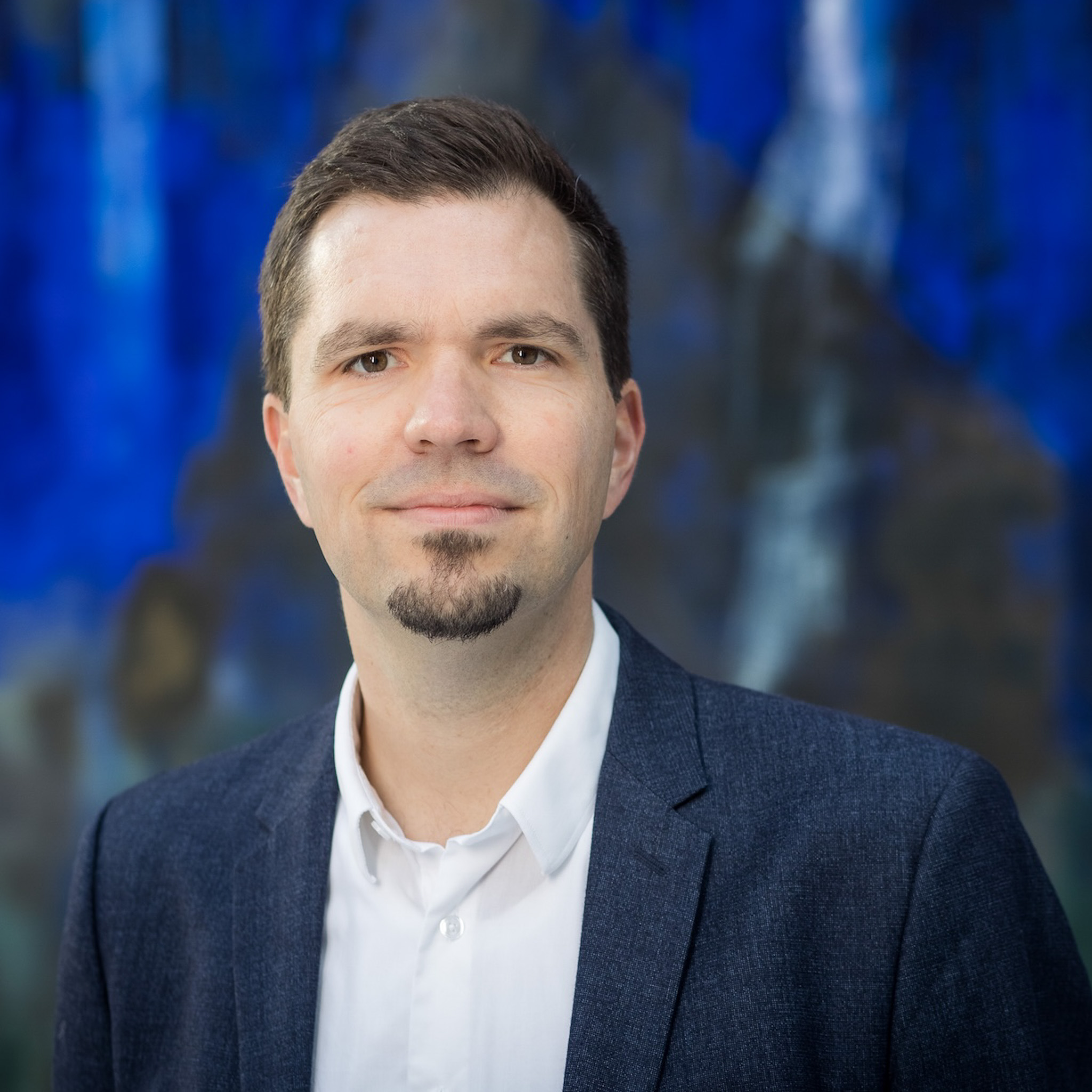
We have achieved many advances in the past years. The dynamically growing trade figures are solid evidence of this.
Dr. Volker Treier
-- Chief of Foreign Trade | Member of the Executive Board
(only available in German)
The Berlin Process
The Berlin Process is a diplomatic initiative launched in 2014 as a bridge between Western Balkan states and the EU.
Participants include the Western Balkan 6 (Albania, Bosnia and Herzegovina, Kosovo, Montenegro, North Macedonia, Serbia), host countries of the process, EU institutions, international financial institutions, civil society, and regional businesses.
Objectives are to strengthen cooperation, address bilateral and internal conflicts, and foster economic development.
Tools include specific projects in infrastructure, economy, and social development.
The process serves as a platform for political dialogue, economic cooperation, and social exchange, aiming to promote joint strategies for addressing regional challenges.
Successes of the Berlin Process
Among other things, foundations for a Regional Economic Area were created, where goods, services, investments, and workforce can move freely. The Transport Community was established as an institution, and the Chamber Investment Forum emerged as a regional association of national Chambers of Commerce, providing a platform for better networking of organized and private economic actors.
At the same time, the AHKs in the WB6 intensified cooperation among themselves and with bilateral economic associations with ties to Germany on-site. Almost every major AHK project in the region is now conducted with reference to the Western Balkans or in cooperation with other AHK locations in the WB6.
IHKs and Germany Trade and Invest regularly support initiatives from the WB6, conduct events to inform the German economy about the region and highlight its potential. Financial support comes from the EU's Western Balkans Investment Framework, EU pre-accession assistance, and the New Growth Plan.
Current challenges for businesses
Despite these advancements, national and multinational companies in the region face challenges crucial to the economic location's activities, including geopolitical tensions, implementation issues with the Acquis Communautaire in the WB6, EU accession progress, local economic competitiveness compared to European and global markets, migration via the Balkan route, and workforce drainage.
DIHK considers it essential for local governments to create prospects for the younger generation to limit the emigration of skilled trades ("Brain Drain"). Additionally, DIHK underscores the need for clarification regarding the Carbon Border Adjustment Mechanism (CBAM).
In the coming years, DIHK and the AHKs focus on:
Next steps: What needs to happen now regarding EU accession
In the WB6, awareness of the EU as a community of values should be strengthened. Local investors, those from the EU, as well as the established economy of WB6 can play an important role in more clearly highlighting the advantages of EU accession and bringing them to public attention. This includes the fundamental freedoms of the European internal market, such as the free movement of people, capital, services, and goods.
We support the approach of the Berlin Process to intensify dialogue with the economy. Numerous formats and measures have been implemented in recent years with involvement from German Chambers of Commerce and Industry (IHK) and companies. Formats such as Digital Summits and regular economic forums with thematic focus on opportunities and challenges should continue in order to strengthen the participation of economic players in political decision-making processes and develop solutions for future tasks.
We endorse the creation of common regional formats and forums where economic actors can regularly exchange ideas to discuss important topics and projects. This will support and drive forward the goal of developing WB6 into a strong and cohesive economic area. These formats provide the opportunity to initiate cross-border projects and remove existing obstacles.
The successful settlement of many German and international companies in the region in recent years shows that the location is already attractive to investors. The successful West Balkan procurement initiative has proven for ten years that companies from the region are well integrated into the supply chains of European firms, fostering the development of many long-lasting partnerships. International internship and scholarship programs also contribute to integration. Governments should do their part to retain skilled labor in the region and shape the regulatory environment in a way that allows the successful development of an industrial middle class. This includes, among other things, high-quality education and healthcare systems as well as transparent and efficient administration.
Expanding infrastructure at EU border crossings
To shorten long waiting times at EU border crossings for truck traffic originating from WB6, infrastructure expansion and the resources of customs authorities should be enhanced.
CBAM is still largely unknown in the WB6 region, although numerous information resources are provided by the German Chambers of Commerce Abroad (AHKs) on site, the national chambers as well as other actors such as various European and national development cooperation organizations.
The topic of migration or "brain drain" is of strategic importance for the economic development of the WB6. It influences the region's attractiveness as a location for investments and partnerships.
Businesses, the AHK network, and other stakeholders should actively engage in initiatives and consultations to develop solutions. The AHK network, with its extensive business network within the WB6, can contribute valuable expertise and solution-focused competence. At the same time, local governments and administrations must create appealing perspectives to limit migration.
Implementing reforms in administration, healthcare, infrastructure, and education, along with transparent decision-making processes, is the best way to convince young people of their country's future potential.
The EU accession process, which already supports the WB6 in many of these areas, provides a blueprint for such a path.