

Various sectors and companies face challenges linked to bureaucracy, including packaging regulations, cash register policies, and reporting duties both within the EU and beyond.
... addressing the dense web of regulations in the EU single market
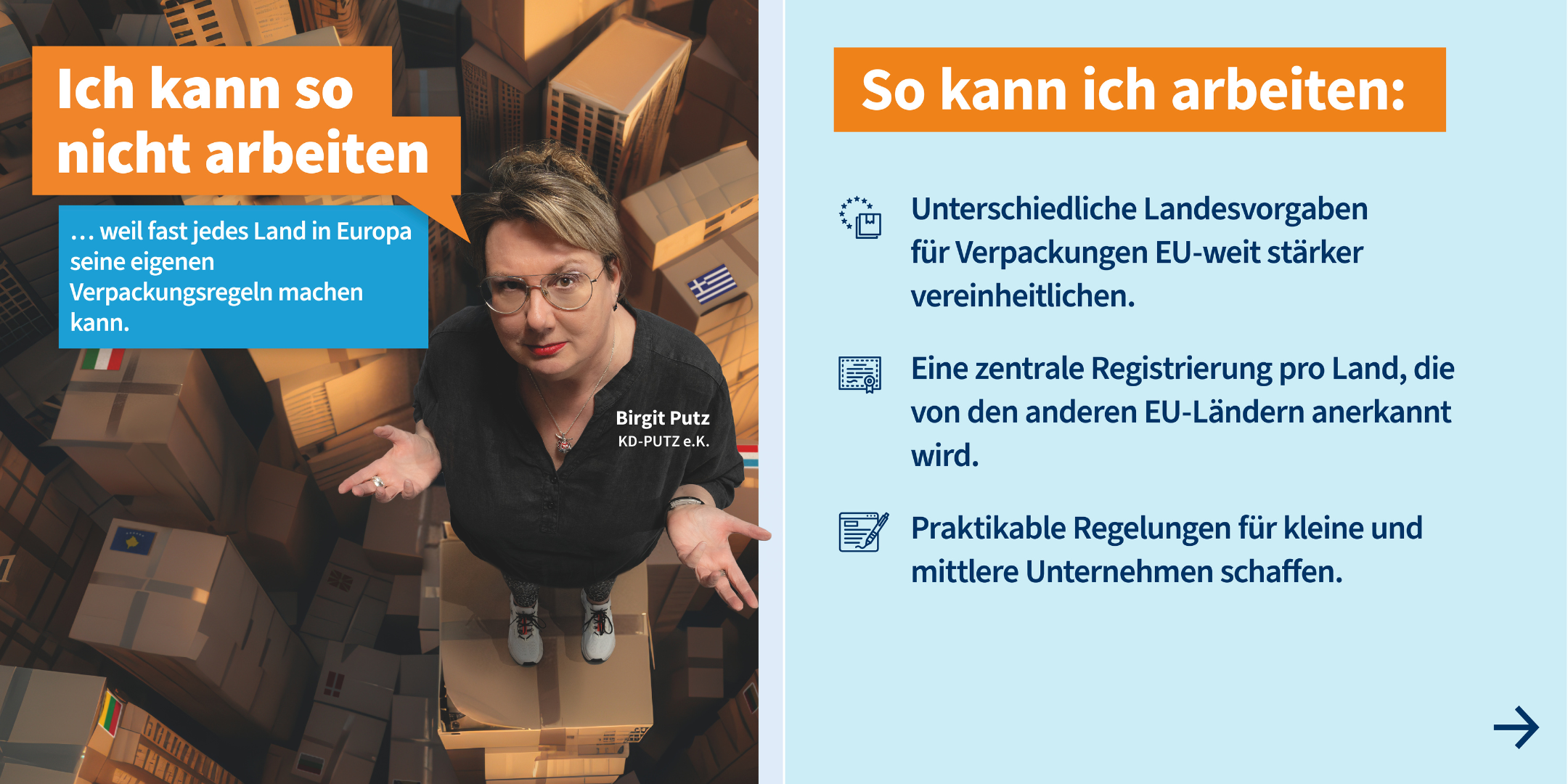
Birgit Putz and her ten employees manufacture and distribute cleaning machines across Europe, utilising the free movement of goods. However, packaging for transportation becomes complicated: every European country currently has its own regulations for execution, obligations, fees, and labelling, with nothing harmonised for packaging in Europe yet. Unfortunately, fees are not only varied but sometimes necessitate advance payments without product sales.
For instance, if Birgit Putz wants to sell machines in Austria packed in 8.15 kilograms of cardboard and 1 kilogram of plastic, an annual fee applies: a €570 service charge, €50 for a representative, and €150 for disposal costs for up to 1.5 tonnes, totalling €770 for approximately 9 kilograms of packaging material.
Small and medium-sized enterprises like Birgit Putz's cannot afford to allocate someone solely to deal with packaging matters. Consequently, customers in certain European countries cannot be served. Although the upcoming European packaging regulation strives for harmonisation, it falls short of delivering full alignment. A streamlined EU-wide register for obligations and financing is essential to guarantee that mid-sized companies can engage in European trade.
... addressing EU bureaucracy
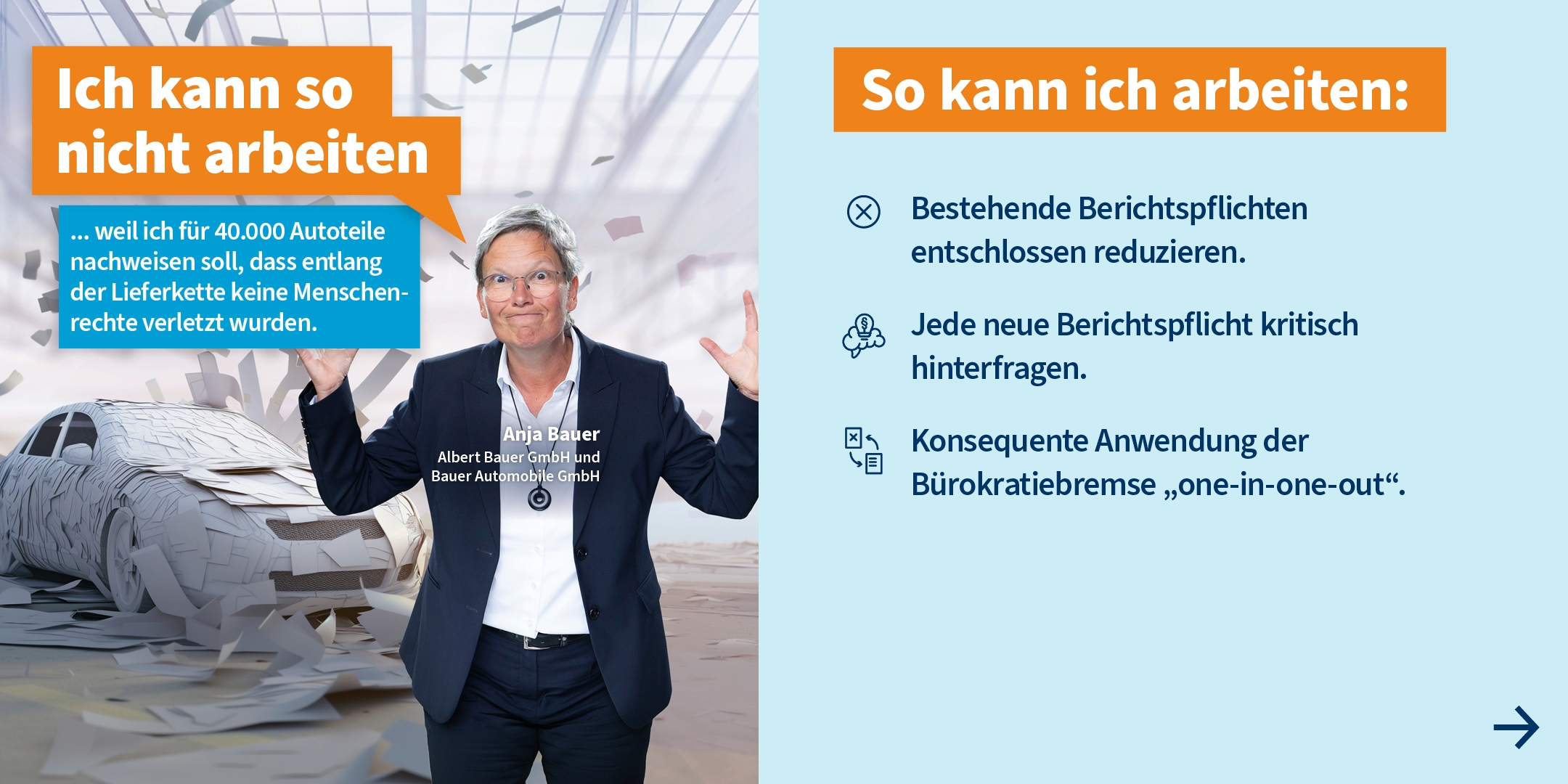
In March 2023, European Commission President Ursula von der Leyen announced a plan to reduce reporting requirements within the EU by 25%, aiming to improve international competitiveness for Europe's businesses. However, companies already require relief from unnecessary bureaucracy today.
Take a typical car dealership with a workshop: it maintains an inventory of 40,000 different parts, used for repairs of all types and models. Under the German (and eventually European) supply chain law, clients inquire about the origins of components, such as the replacement battery in a vehicle, ensuring human rights compliance across the supply chain. Yet, such demands are unsustainable for employers working on parts inventories.
The proposal to reach the 25% reduction goal currently lacks sufficient impact, meaning bureaucracy reduction must become a priority in post-EU elections agendas. Consistent implementation of the "25% goal" should be the focus of the next legislative period, ensuring that newly introduced reporting requirements, such as those from the European supply chain law (CSDDD) and sustainability-related regulations (CSRD), undergo rigorous scrutiny.
Effective legislation is also required. The "One in, one out" principle, aimed to counterbalance new regulatory burdens within the EU, offers a promising approach: every euro added due to a new regulation should be offset elsewhere.
However, the principle must reliably apply to all legislation. Long-term goals for each Commission and EU Parliament should consistently support and solidify bureaucracy reduction initiatives.
... addressing reporting duties in supply chains
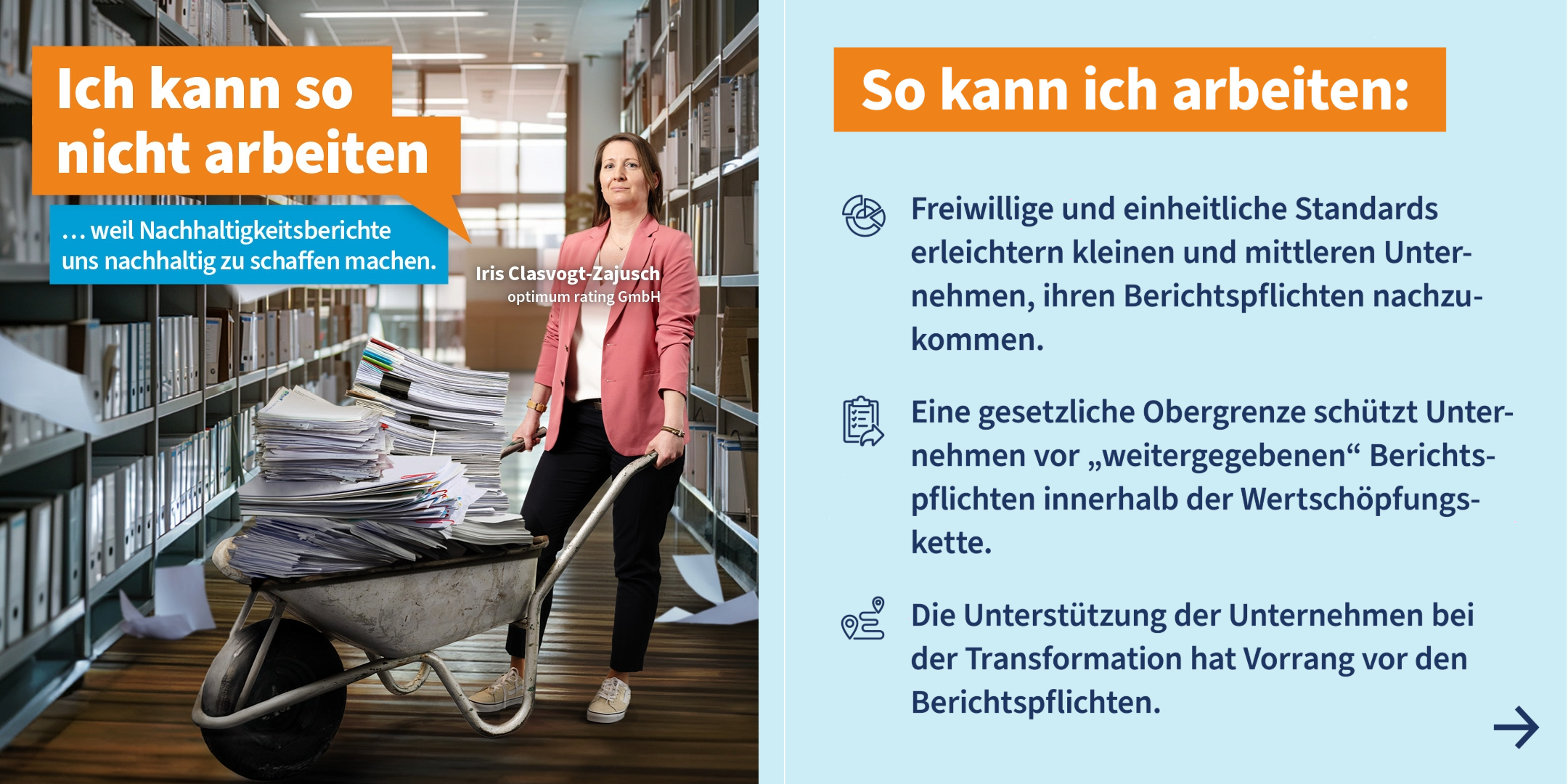
Currently, many small and medium-sized enterprises (SMEs) contend with supply chain reporting duties, despite being formally excluded. These requirements stem from sustainability-centric directives, including the Corporate Sustainability Reporting Directive (CSRD), Taxonomy, and Sustainable Finance Disclosure Regulation (SFDR), alongside supply chain laws both nationally and globally. Data procurement obligations cascade from larger, directly affected companies to smaller businesses.
Companies face mounting demand for certifications and data production, leading to processes fraught with substantial efforts and costs, plus significant bureaucratic impacts overwhelming smaller enterprises.
A unified, voluntary European dataset for SMEs is an ideal countermeasure, enabling consistent responses to requests from mandated corporations or financial institutions. Its adoption in lieu of detailed bespoke questionnaires can sustainably alleviate SMEs and preserve competitiveness.
... addressing cash receipt regulations
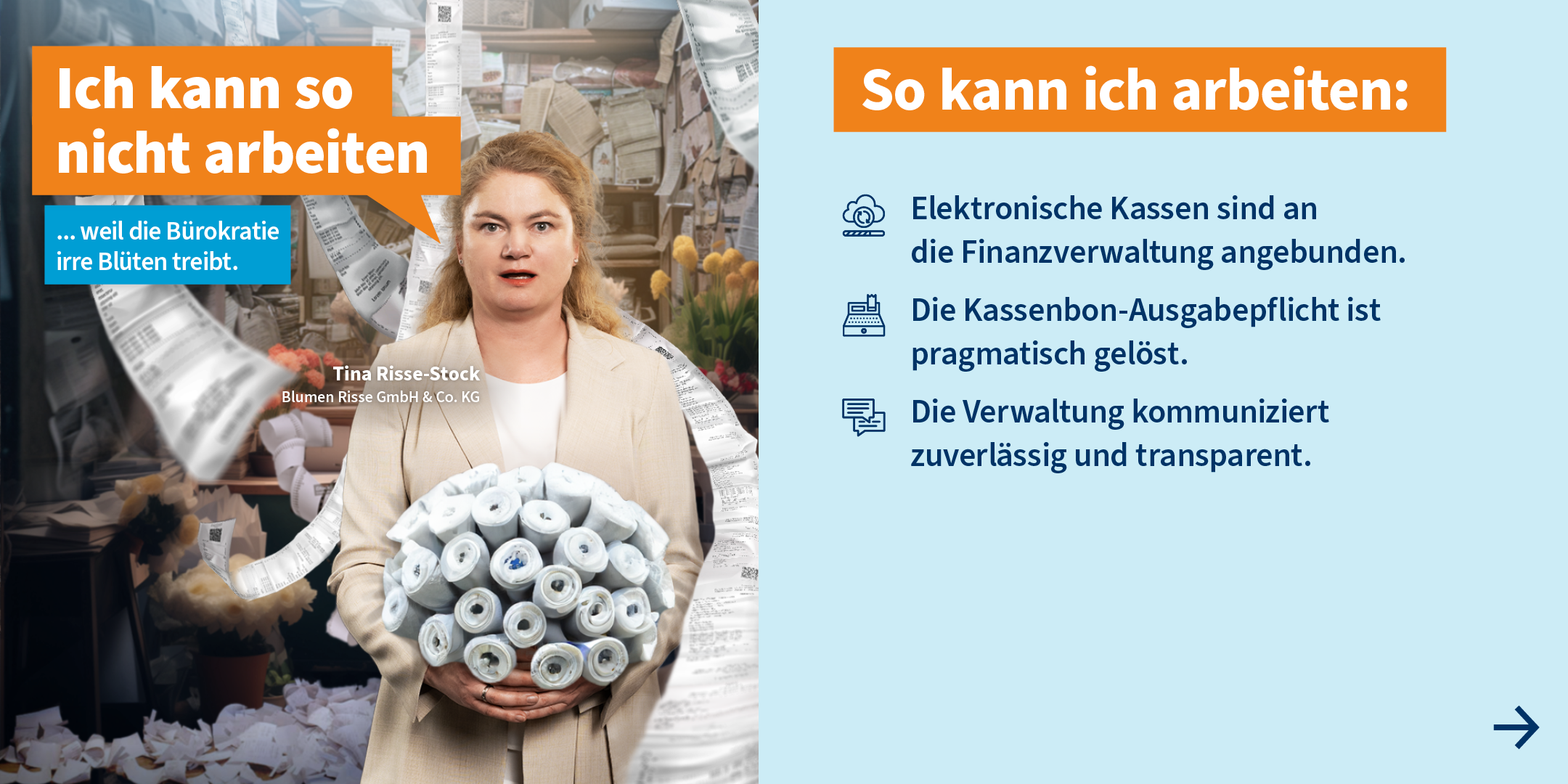
Since January 1, 2020, all retail operations must equip every electronic cash register with a technical security system (TSE), registered within one month at the tax office—a process that remains unresolved four years later!
Additionally, the demand for paper receipts under TSE-registerable systems exacerbates waste generation. While electronic receipts offer solutions, their adoption is financially prohibitive to smaller businesses seeking a dual receipt system.
Retailers require pragmatic solutions suitable for small-to-medium-sized enterprises, avoiding duplication costs linked to diverse systems.
... addressing approval and audit regulations

Progress in wind energy expansion—a significant driver for Germany's energy transition—is hindered by bureaucracy. Over time, mounting permits and assessments have become a bottleneck in establishing wind turbines. Required documentation includes bat and bird reports or "ice throw impact assessments."
While frost on rotor blades must lead to turbine stops, safety measures preventing ice-related hazards can simplify this process within existing Environmental Impact Assessment laws (BImSCHG).
A pragmatic approach involves making environmental protections part of broader permit frameworks, requesting reports solely during actual hazard scenarios. Bottlenecks tied to ice throw analyses place undue pressure on both personnel and time resources, which could simplify through regulatory shifts reducing bureaucratic obligations
Released 13.01.2025
Modified 11.05.2026
