

The vocational education based on practical experience, culminating in a qualification of advanced vocational education, is becoming increasingly worthwhile for employees and companies alike. According to a mid-2023 DIHK survey of 20,000 graduates, about 60 percent of them earn more money following their IHK continuing education examination than before. Furthermore, 57 percent have taken on greater responsibilities in their jobs following the education.

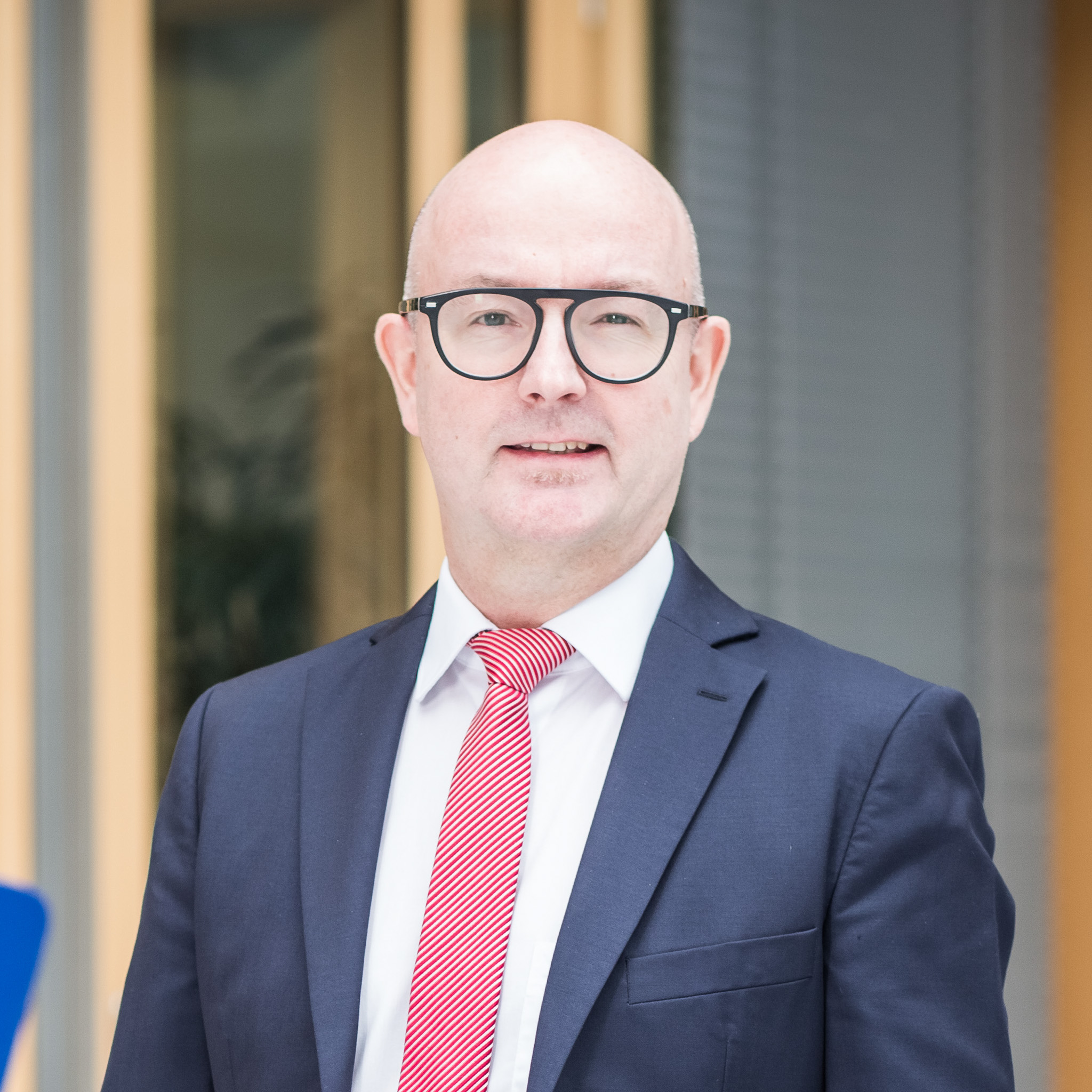
Achim Dercks
Advanced vocational education provides significant benefits to businesses, said Achim Dercks, Deputy Chief Executive Officer of the German Chamber of Commerce and Industry (DIHK), while presenting the study on June 1, 2023. "Companies can develop highly-qualified professionals and executives from their own workforce, individuals eager to take on more responsibilities." Advanced vocational education is therefore considered "a kind of insider tip" both for employees with career ambitions and for entrepreneurial strategies against skill shortages. Currently, more than 2.5 million employees in Germany have obtained advanced vocational education qualifications.
Approximately 60,000 Exams Per Year
In the IHK sector alone, roughly 60,000 examinations are conducted annually, Dercks highlighted. "There could certainly be even more. Whether it's an Industrial Master Metalworker, Bachelor Professional in Accounting, or Business Administrator – graduates of advanced vocational education are in high demand by companies. Their qualifications mostly rank at levels six and seven of the German Qualifications Framework (DQR), equating to a university bachelor's or master's degree. With an unemployment rate of just 1.2 percent – even lower than that of academics – the job market for this group is completely depleted."
Key Survey Results
Vocational education is evaluated highly positively by graduates, according to the nationwide IHK survey of individuals who have successfully passed an advanced vocational education examination at their IHK within the past five years. According to the survey, 81 percent of graduates report positive impacts on their career development. Financial improvements (58 percent), as well as promotion to higher positions or expanded roles and responsibilities (57 percent), top the list of multiple-choice responses.

Around 60 percent of those with a salary increase report monthly earnings boosts of more than 500 euros. Over a quarter earn at least 1,000 euros more per month compared to their earnings before vocational education. "Salary increases are especially pronounced three years post successful examination compared to shortly after graduation," Dercks noted. "Yet many positive effects manifest immediately: 93 percent of graduates acknowledge that vocational education positively impacts their personal development, whether through broadened perspectives or increased confidence. These personal benefits often outweigh the purely professional impacts, though they significantly influence graduates' career trajectories positively in any respect."

90 Percent Would Do It Again
The DIHK study reveals an exceedingly high satisfaction rate among graduates of advanced vocational education – around 90 percent would choose the same qualification again. Over half (54 percent) plan further qualifications, with additional advanced vocational education highest in demand. "Advanced vocational education is a meaningful and future-focused qualification path delivering companies top-qualified and practice-oriented professionals," Dercks emphasized. "This must become even more evident in public perception. It's vital to promote advanced vocational education as an equally valuable alternative to university education, making it more widely known. The designation titles Bachelor Professional and Master Professional, established in vocational education law over three years ago, should be rolled out promptly. Here, social partners play a central role. In career orientation, which we extensively need even in grammar schools, students should be informed about the benefits of dual training and its equivalent success in professional careers compared to academia."

More than half of vocational education graduates report receiving advancement BAföG during their learning phase. "This once again establishes advancement BAföG as the main funding tool for advanced vocational education," said DIHK Deputy CEO Dercks. "Politics should promptly implement the coalition agreement's promised improvements to advancement BAföG. This way, companies can attract even more aspiring professionals toward advanced vocational education."
Dercks identified close ties to operational practices as a strength of advanced vocational education. "This means adapting consistently to contemporary challenges such as digitalization and climate protection. It's our shared aim to progressively modernize vocational training regulations toward these needs," Dercks declared. "Nevertheless, it's clear that the transition toward climate neutrality cannot succeed with only specialized 'green' qualifications. Across all stages of the value chain – from development, procurement, and construction through the establishment of wind energy facilities – vocational and advanced vocational education qualifications across the spectrum are in demand. Naturally, professionals must continuously update their skills through further training."
Minimal Impact from Pandemic Lockdowns
The lockdowns and restrictions imposed during the Covid-19 pandemic had no adverse effect on the professional careers of almost three-quarters of graduates. A fifth reported slightly negative impacts, and just six percent experienced significantly negative professional outcomes. "The enormous challenges posed by the pandemic for businesses and employees were evidently mitigated through advanced vocational education. This reflects the flexibility of graduates, their employers, and educational providers," Dercks praised. "The latter swiftly transitioned preparatory courses to online formats during the pandemic, ensuring uninterrupted readiness for examinations."
Download
The complete survey results can be accessed here:
DIHK Vocational Education Survey 2023 (PDF, 119 KB)(only available in German)
- Relevant in topic:
- Fachkräfte
- Key areas:
-
- Weiterbildung
Released 01.06.2023
Modified 17.03.2026
Contact

Tanja Mammen
Director IHK. Continuing Education
Sven Ehling
Spokesperson | Visual Communication