

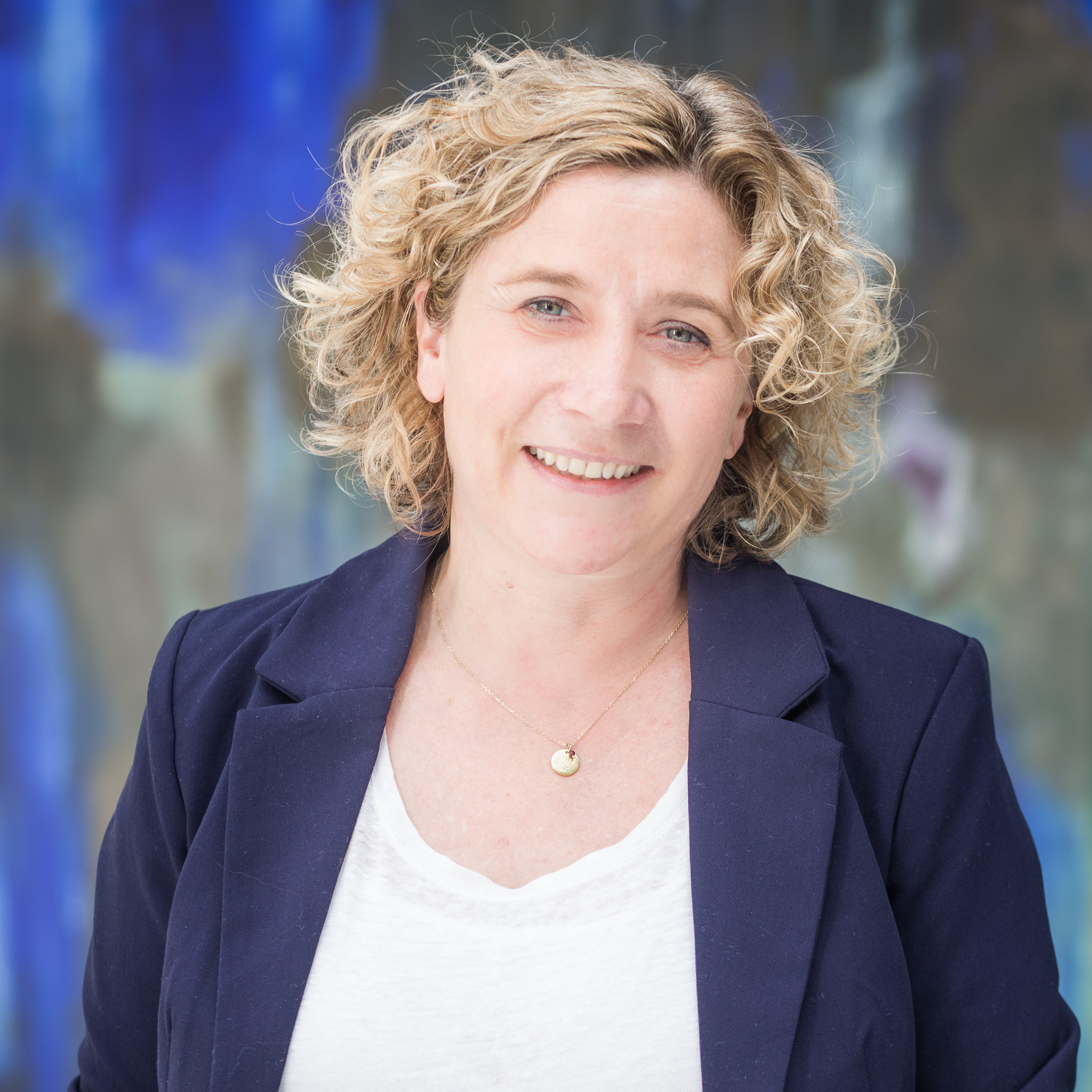
The best possible message from the informal EU retreat would be that "everyone stands united and determined behind the topic of growth," Melnikov stated during an interview with ARD journalist Sabine Scholt (pictured right). Binding measures are now needed that should reach companies quickly.
Internally: Tearing down hurdles within the EU Single Market
DIHK CEO emphasizes the vast potential of the European Single Market with its 450 million consumers. Europe imposes so many barriers within the market due to self-regulation that it amounts to tariffs as high as 100%.
This is especially relevant for Germany: more than half of German imports and exports are tied to the European Single Market. "By reducing these barriers, we can unlock enormous growth potential," according to Melnikov.
Externally: Keeping markets open instead of closing them
In addition to internal reforms, Europe must outwardly advocate openness. The principle of "doing everything to counter protectionism" is crucial, according to Melnikov. Instead, market openness is vital.
She views the current "Buy European" strategy critically: "It sounds appealing initially, but caution is advised to ensure that costs don’t end up outweighing benefits. In Germany, one in every four jobs depends on exports."
"We rely on open markets. Any hurdles to this harm us the most."

Dr. Helena Melnikov
-- Chief Executive Officer
"Great caution" with Buy European
Melnikov: "We depend on open markets, and anything that hinders this or introduces new barriers harms us the most." The Buy European proposal could be dangerous for an export-oriented economy like Germany since it entails new obstacles. "Hence we urge great caution," she stated. Exceptions might only apply to security-sensitive areas.
Capital Market Union yes – common fiscal debts no
Melnikov is open to the idea of a European Capital Market Union, which could meaningfully complement the German banking sector contributing significantly to corporate financing. However, the middle-class financing aspect shouldn’t be overlooked – financing tailored to medium-sized companies should also remain a priority.
On the EU-level debt mutualization question raised by France, she expresses clear opposition: "The EU-budget runs into a trillion euros, with the next budget projected at two trillion. That’s substantial; I’d focus more on spending at the European level, rather than seeking new sources of revenue. Ultimately, there’s actually enough."
- Relevant in topic:
- International Trade and Market Access
- Key areas:
-
- Reducing Bureaucracy
- Growth
- Foreign Trade
Released 12.02.2026
Modified 17.03.2026
Press Contact
Julia Fellinger
Spokesperson
