

Slow infrastructure projects, unpredictable energy and cost burdens, or complex rules for the immigration of international skilled workers: Numerous companies face structural hurdles daily, delaying investments and hampering growth. The need for reform in economic and location policies is evident.
Through a social media campaign, the DIHK makes these challenges visible and at the same time points to concrete solutions. The themes address central issues related to German business locations and are promoted via LinkedIn and Instagram, complemented by partially printed postcards.
The conceptual basis is the "#CreatingBetterTogether - Now!" fundamental resolution, which the IHK organisation adopted at the end of 2023. In it, the DIHK presents ten concrete demands for forward-looking economic and location policies – including reducing bureaucracy, faster planning and approval processes, modern and digital administration, reliable framework conditions, and better prerequisites for the immigration of international skilled workers.
Self-Initiative for Greater Sustainability: Example of Essity
The more than 3 million companies in Germany drive innovation and progress. However, entrepreneurial dedication is often stifled by complex rules, contradictory regulations, and micro-management. Yet businesses often wish to and can solve problems on their own – already undertaking independent and successful initiatives in climate protection without political mandates. A vital takeaway: Especially in times of multiple crises, politics must rely more on domestic dedication and creativity.
An example of this is the Mainz-Kostheim plant of Essity GmbH. The hygiene paper manufacturer has quickly converted its on-site production to a hydrogen-based setup as part of a pilot project. A permanent shift could save 37,000 tonnes of CO₂ per year.
Video: With Initiative towards Sustainability
The example of Essity GmbH's Mainz-Kostheim plant demonstrates innovation in sustainability efforts.


Contact
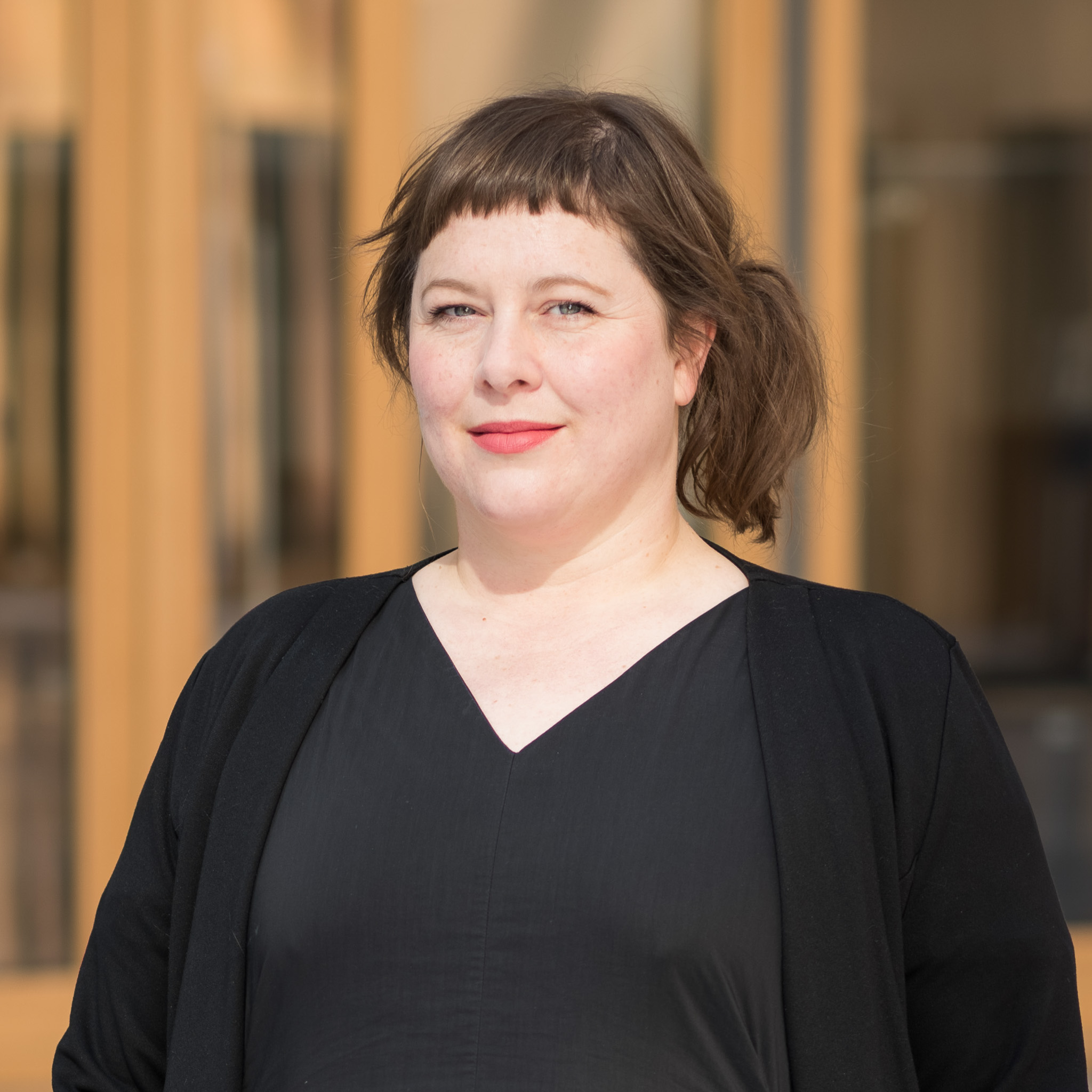
Kristina Kastner
Director Brand Management, Marketing and Campaigns
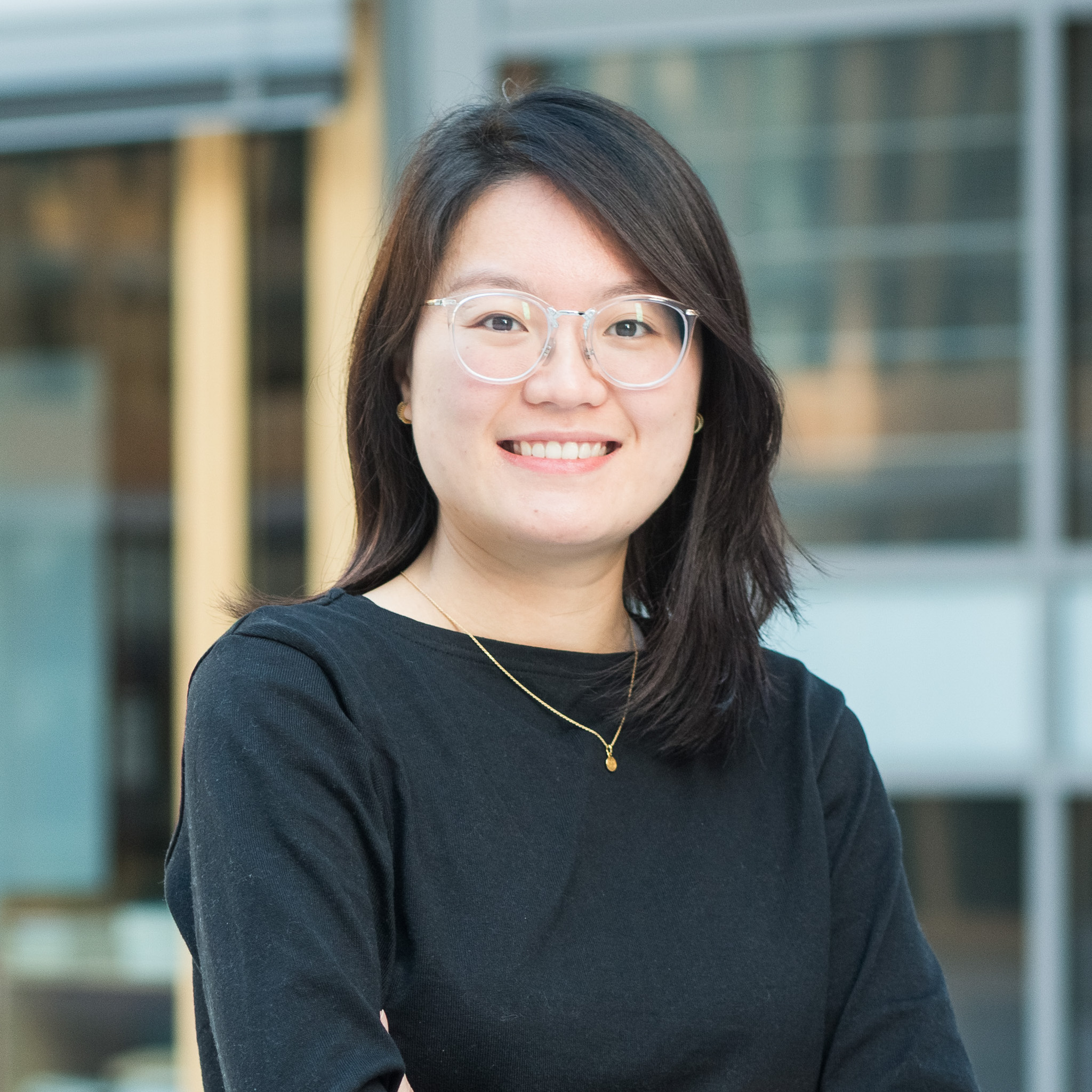
Trang Vu
Director Newsroom Manager | Press and Social Media
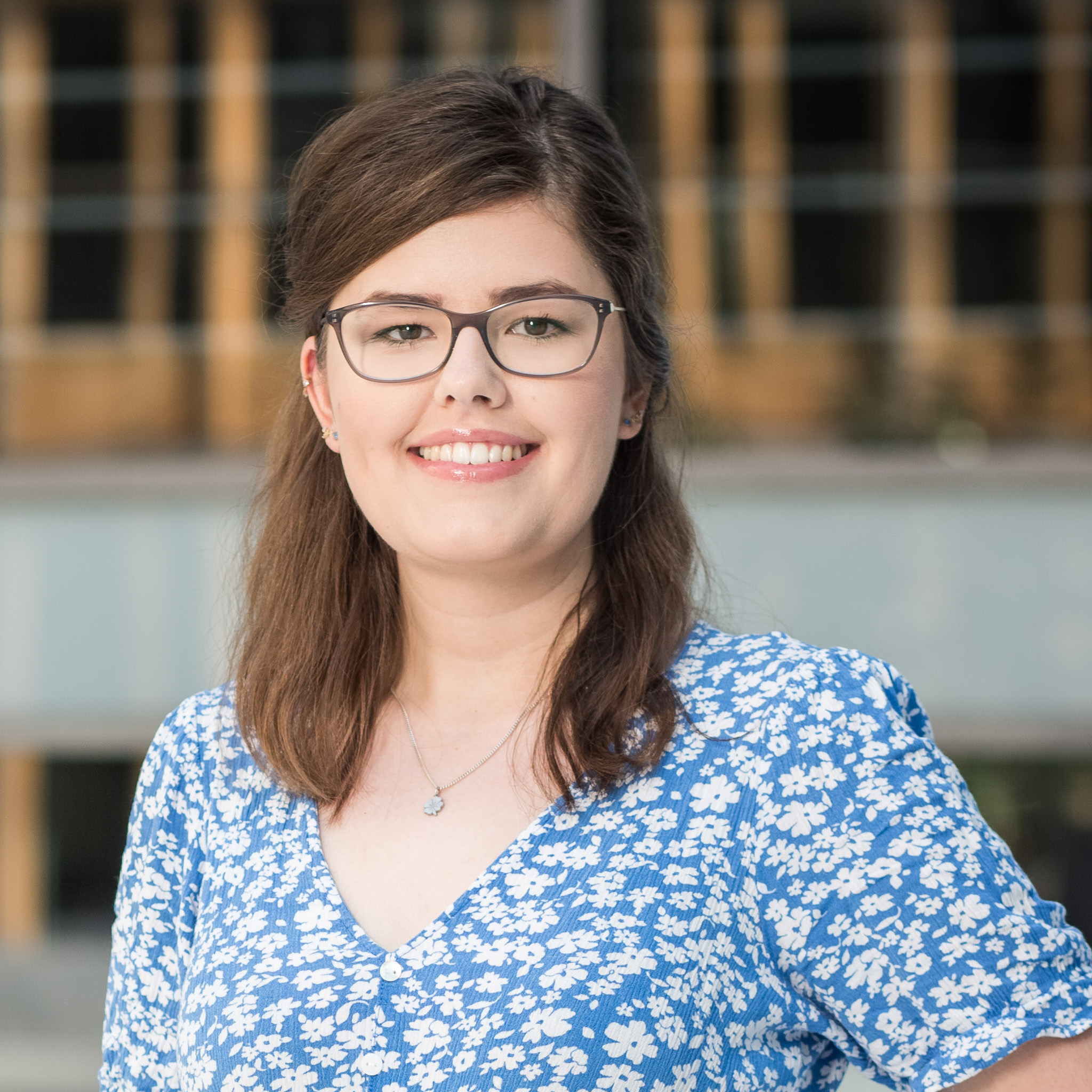
Yasmin Yüksel
Digital Media Manager