

30/04/2026 – "The Middle East conflict obliterates hopes for an economic upswing in this country. The positive growth seen in the first quarter is unlikely to continue. According to a DIHK flash survey, 83 per cent of companies expect negative impacts of the Iran war on their business. Half of the companies announce that they will pass on the costs for energy, fuel and materials to customers. This is ultimately likely to drive consumer prices up.
The ECB has not increased interest rates despite these inflationary trends – justifying this with current geopolitical disruptions and weak economic activity. Given the volatile overall economic situation, this behaviour is appropriate. However, the ECB might react differently at its next meeting on the 11th of June and raise key interest rates to signal to market participants that it is keeping an eye on price developments. Supply chains are severely disrupted due to the closure of the Strait of Hormuz and destroyed oil production facilities. Even after a swift easing and reopening of the Strait of Hormuz, supply chain problems and a high level of market uncertainty would persist for months.
Against this backdrop, it is already foreseeable that economic growth in Germany will be very low again this year. If things go badly, the economy will stagnate once more. It is therefore becoming increasingly urgent for the Federal Government to implement the long-promised reforms to spark new economic dynamism and unleash the performance of the domestic economy. Only if reform and relief packages are finally decided and quickly implemented will companies invest more, and Germany as a business location recover."
- Relevant in topic:
- Economic and Fiscal Policy
- Key areas:
-
- Economic Outlook
- Growth
- Financing
It has been translated with the assistance of AI.
No guarantee is made as to the accuracy or completeness of the translation.
Released 30.04.2026
Modified 30.07.2026
Contact
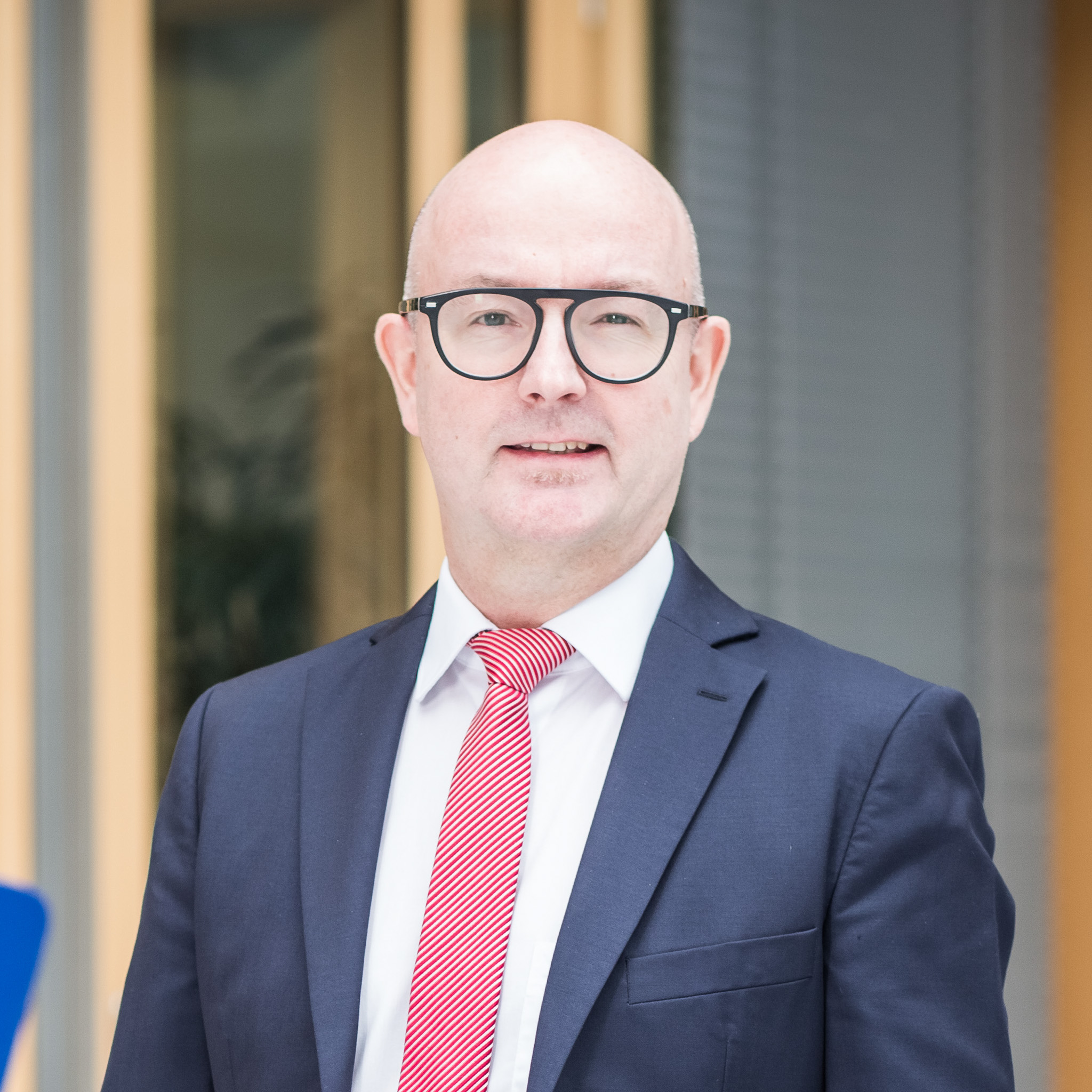
Sven Ehling
Spokesperson | Visual Communication