In the DIHK Newsroom, you’ll find the latest press releases, statements, studies, and background information on the German economy—presented in a concise, well-organized, and always up-to-date...
A cautiously optimistic conclusion regarding the meeting between the Federal Government, business associations, and trade unions on the evening of June 10 was drawn by DIHK President Peter Adrian the following day on ZDF's "Morgenmagazin."
How the absolute savings targets of the Energy Efficiency Act impact economic growth
The Energy Efficiency Act (EnEfG) of 2023 mandates rigid energy consumption savings goals in Germany – irrespective of climate or efficiency considerations. At the current state, these goals can only be achieved through a drastic decline in economic performance.
Rising prices for fossil fuels, volatile raw material markets and the goal of climate neutrality: These are the challenges that the Energy Scouts and Energy Scouts from Germany and Europe are tackling with specific measures in their day-to-day operations. The top teams were honoured in Berlin...
Anyone looking to take exhibits across borders for a trade fair can avoid separate customs declarations with the help of a Carnet ATA. Since June 1, the trusted 'passport for goods' is available as a QR code: the system is now fully digitalized in approximately 30 countries.
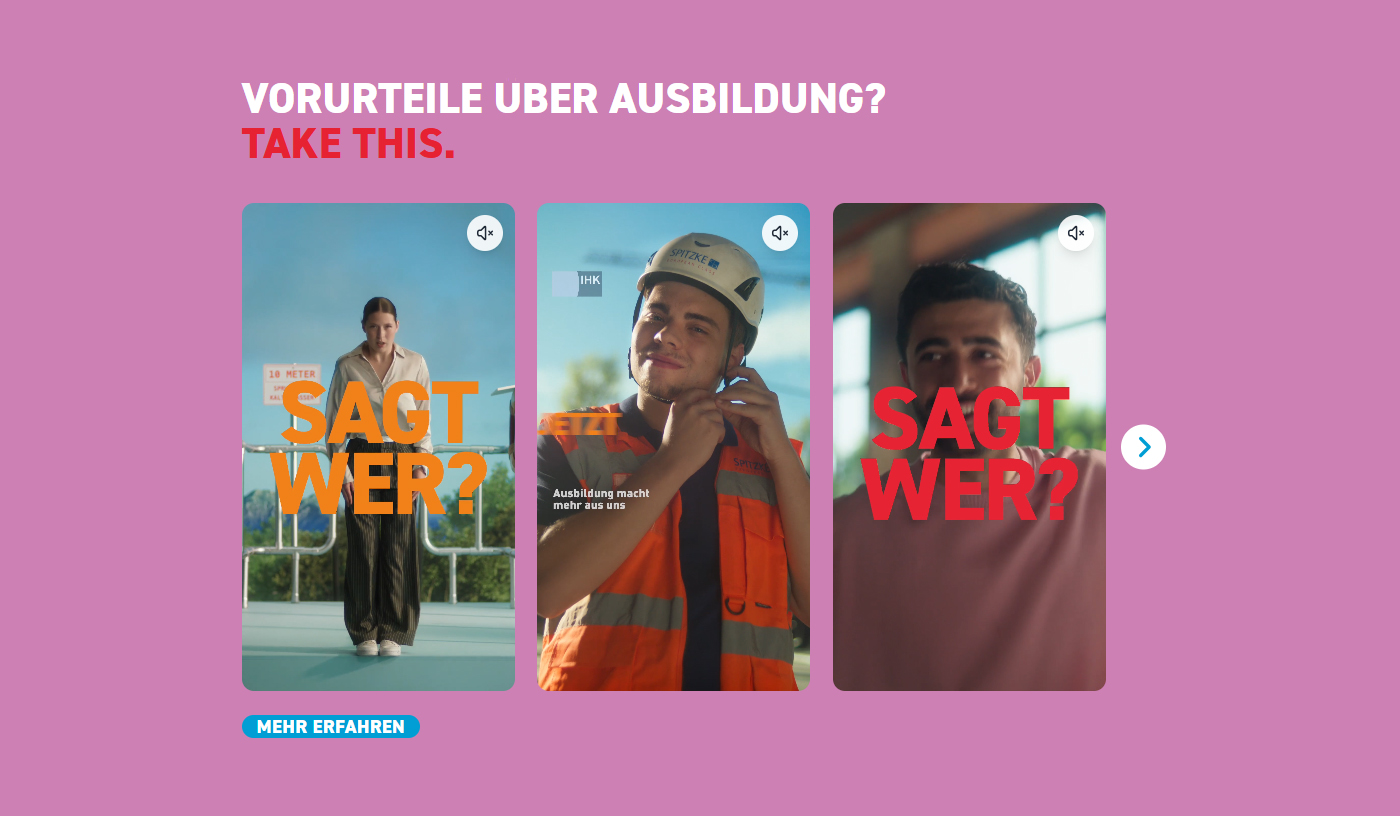
For more than four out of ten people in Germany, it goes without saying that after completing A-levels, one heads towards university. A new chapter of the German Chamber of Commerce and Industry (IHK) training campaign "Training makes more of us" aims to dispel this and similar prejudices.
The German economy creates jobs daily, drives innovation, and takes responsibility: With its new campaign "We Act!", the IHK organisation highlights the achievements of more than three million companies in Germany.
From labour costs and open markets to corporate taxes – Germany's economy urgently requires an upgrade. In a new LinkedIn series, the German Chamber of Commerce and Industry (DIHK) provides a compact and fact-based analysis of the necessary reforms and measures.
Bureaucracy, lengthy planning procedures, and lack of digitalisation are holding businesses back in Germany. Through a social media campaign, the DIHK highlights pressing problems at German business locations and showcases the economic policy reforms urgently needed to enhance Germany's...
Military conflicts, closed airspaces, blocked transport routes: The developments in the Middle East since 28 February have significant consequences for German companies and are being closely monitored with great attention and concern.
Efficient, technology-neutral, international: The IHK organisation strongly advocates redesigning the energy transition in Germany. Through studies, core positions, and surveys, the DIHK outlines what is necessary for companies to also manage the transformation.
There is an increasing consideration in the EU to implement local content requirements—mandatory local value creation shares. This has consequences for trade, competition, and Europe's position.
The German economy risks becoming a long-term patient. Companies are struggling with high costs for energy, personnel, and taxes, combined with crippling bureaucracy. An uncertain global economic environment and bottlenecks in critical raw materials exacerbate the situation further.
German businesses continue to show great interest in Ukraine, even as they remain cautious due to the Russian aggression and ongoing security concerns.
Digitalization is a key competitive factor and opens up a wide range of opportunities – from more efficient workflows to innovative business models. To ensure these possibilities are utilized everywhere, reliable frameworks, modern digital infrastructure, and a digitalized administration are...