
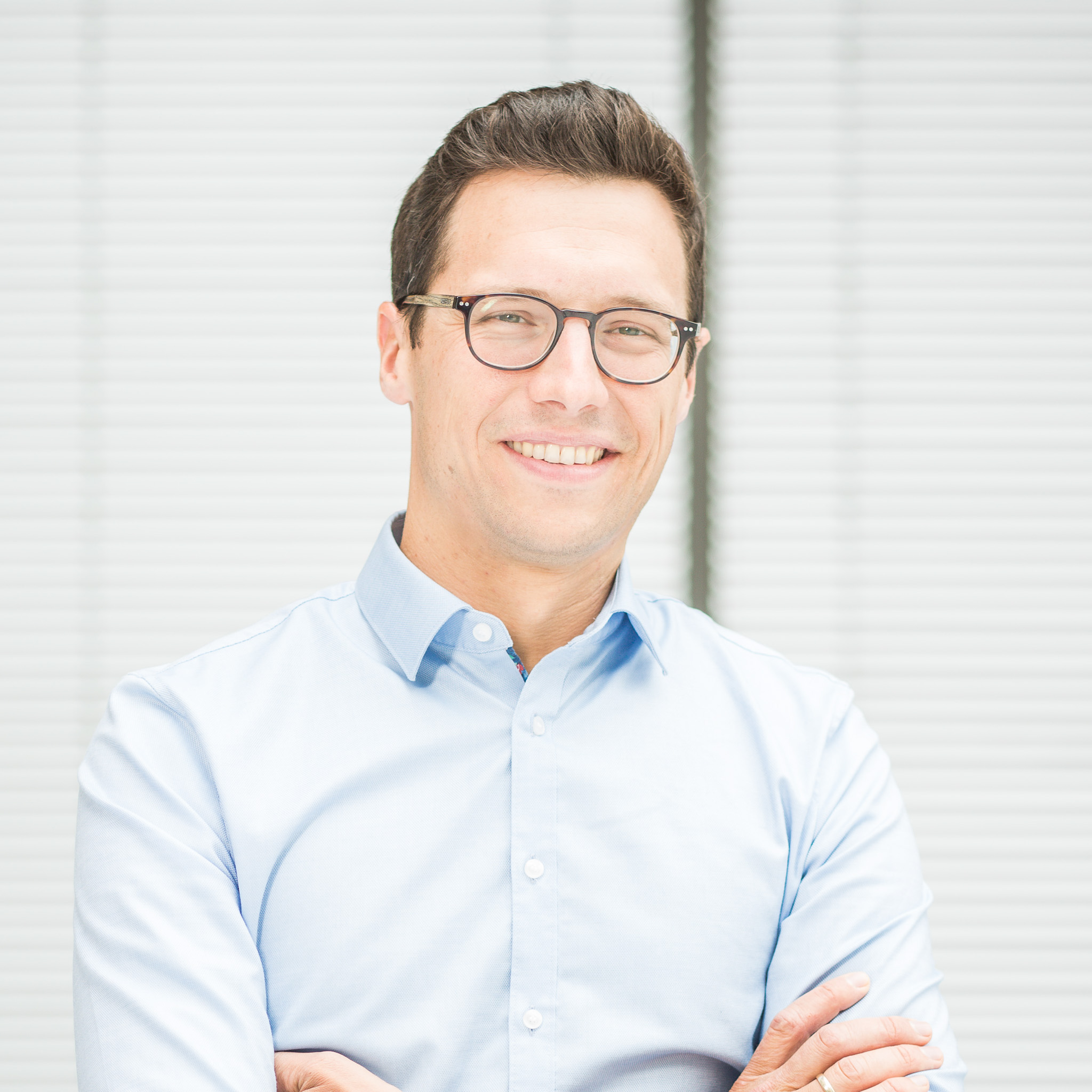
Hans-Werner Lindgens, Chairman of the DIHK SME Committee, looks to the future with concern and is certain that the economy will change permanently.
The German SME sector is legendary. How would you characterise it?
Small and medium-sized enterprises are distinguished by creativity and swift decision-making, making them more adaptable than corporations. Additionally, they are heavily family-oriented and typically owner-managed. Their decision-makers think in generations – not quarters, as is often the case with publicly traded companies and their leadership. And: SMEs provide training. Approximately 90 per cent of trainees learn their profession in an SME.
Long-term planning makes SMEs particularly resilient to crises. Nevertheless, they are now under immense pressure. Current developments in Germany and globally are also impacting SMEs: running a business is tied to an increasing number of uncertainties – which one generally cannot influence.
About the person
Hans-Werner Lindgens is the founder of the ACADEMIA-PRESS Group with offices in Heidelberg, Vienna, and Zurich. He is an honorary member of the plenary assembly of the IHK Rhein Neckar as well as honorary senator of the EBS University for Business and Law in Wiesbaden. In 2010, Hans-Werner Lindgens was awarded the Federal Cross of Merit on ribbon.
What do you mean specifically?
Crises and wars cause immense human suffering and also impact the economy. Since the pandemic and the war against Ukraine, we have had to rethink global trade. Supply chains have been disrupted, and materials and components are missing in many areas. Some productions in Germany have had to be scaled down or stopped entirely. This development in global trade seems irreversible. The "golden times" will not return. For the first time in decades, we are forced to stockpile – as both a nation and an economy.
When demand increases so rapidly, prices rise. Additionally, energy costs are skyrocketing. As life becomes more expensive for people, wages will also increase. This makes it increasingly difficult for businesses to realistically calculate expenses. Miscalculations lead to liquidity issues. As a sailor, I would put it this way: We as an economy are in uncharted waters. Reliable coordinates are missing, making it impossible to determine our position. The course is uncertain.
What changes do you think are necessary?
I remain optimistic. The "we" must again take centre stage in the German economy. This means: moving closer together, helping each other, and supporting one another where needed. Moreover, we must move away from classical market economy capitalism and instead do more to create stable living conditions. As harsh as that sounds! Otherwise, to use a sailor's analogy again, we will move from one unstable situation to another, quickly going overboard.
The unfortunate situation in which we find ourselves as an economy and society is largely self-inflicted. Dependency on one-sided energy sources was simply political shortsightedness. A disastrous misstep. Inflation must also be tackled more decisively; otherwise, it will remain an unwanted permanent fixture in Europe – with unforeseeable consequences for citizens and businesses.
We must finally think and act over longer periods. Keeping consequences in mind, not just immediate effects. Wisdom must be allowed again. Staying attentive, observing the world, always considering eventualities. And in everything we do: thinking about the future of our children and grandchildren.
- Relevant im Themenfeld:
- Unternehmensentwicklung
- Schwerpunkte:
-
- Mittelstand
Kontakt
Kommunikationsreferent
Urban Comploj
Head of Texts and Speeches