
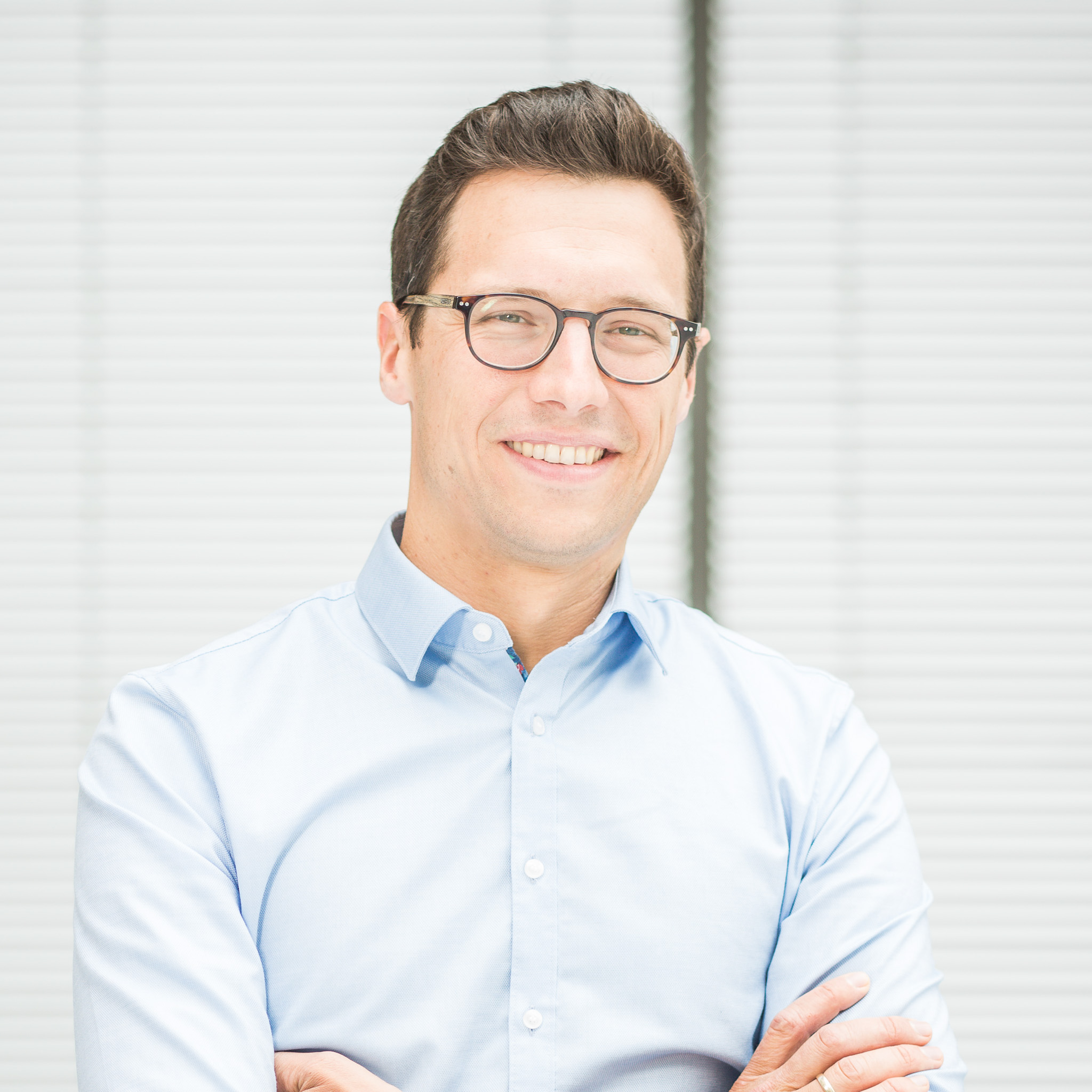
Nancy Plaßmann is Chairwoman of the Berliner Sparkasse. Since May 2023, she has been the voluntary Chair of the German Chamber of Commerce and Industry (DIHK) Money and Credit Committee, which she has been a member of for six years. In the interview, she talks about the concerns of her commercial customers and the work of the committee.
Ms. Plaßmann, you have a close connection to the businesses in your region. What mood do you experience among the owners at the moment?
Entrepreneurs are used to taking action. They are optimistic, want to shape and drive things forward. They still approach our advisory talks with this basic attitude. And we do our best as a credit institution to support their projects.
However, especially in recent months, we have repeatedly heard about uncertainties. Shortage of skilled workers, unresolved questions about sustainability, and delivery difficulties weigh on the minds of our commercial customers. Many are also waiting to see what new rules will come their way. This negatively affects the willingness to invest.
Too little is being invested in Germany – especially with regard to the efforts needed for digital and ecological transformation. When companies talk about investments, the focus is too often abroad. This harms our economic location.
Certainly also a topic for your committee. Have you set substantive goals for your work as Chair beyond this?
As the credit industry, we want to accompany the sustainable transformation of SMEs. Many committee members are concerned with Sustainable Finance, i.e., the inclusion of environmental, social, and corporate governance aspects in the decision-making of financial players. Companies are confronted with many new rules and documentation requirements, politics often plays indirectly and involves credit institutions as enforcers of the rules. However, these requirements can lead to overload, especially for SMEs.
Here, a sense of proportion must be maintained. It would be fatal if overly drastic regulations meant that we could no longer accompany companies on their path to sustainability. Then achieving a good and socially necessary goal would move far away.
I am convinced that the combination of our decentralized SMEs and the three-pillar banking model with many, also smaller, regional banks is Germany's strength. We want to protect that. In Europe, we are an exotic, so we must repeatedly point out this German peculiarity regarding regulatory requirements. Stable and crisis-proof banks are very important. But: The more equity requirements are imposed on banks, the narrower the possibilities to support companies willing to invest. Therefore, it makes sense to critically and constructively accompany legislative projects right from the start.
How can this be achieved?
The committee bundles the interests of different companies from the money and credit industry. This way, we can speak with one voice when we present our concerns and pass on experiences from practice – through the DIHK directly to federal politics.
Here, we do not primarily want to complain but rather make our own suggestions or express our support. This applies especially to future topics. Currently, we are dealing with the digital euro, which is currently being considered by the European Central Bank. It is right that Europe is striving for its own digital currency. Nobody wants private parallel currencies. Companies could benefit from more efficient international payment processes with good design. At the same time, however, the introduction must not destabilize the existing robust banking system.
- Relevant im Themenfeld:
- Wirtschafts- und Finanzpolitik
- Schwerpunkte:
-
- Sustainable Finance
Kontakt
Kommunikationsreferent
Urban Comploj
Head of Texts and Speeches